

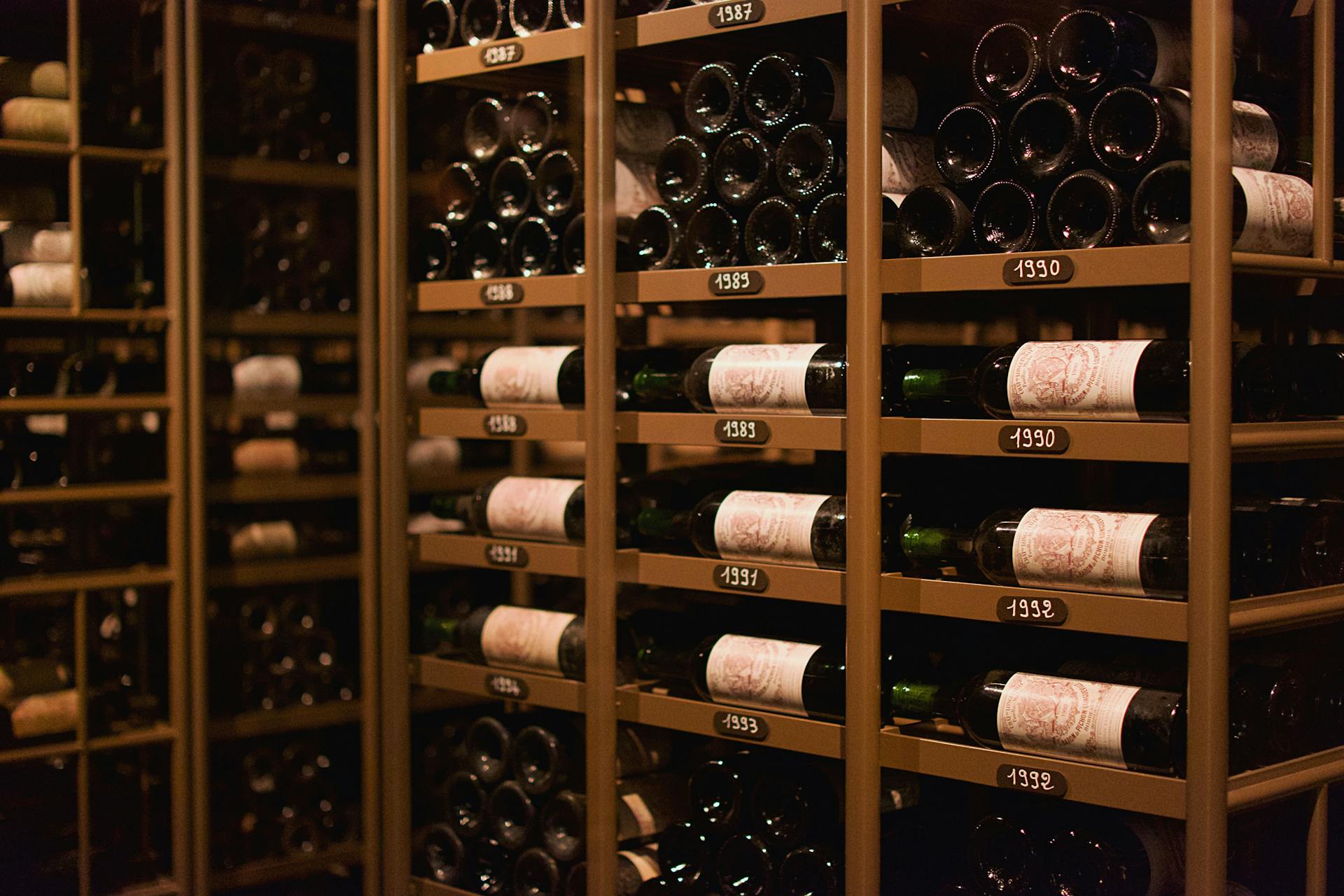
Storing wine properly is often overlooked, yet it is essential for both preserving flavor and minimizing substances that can trigger discomfort in sensitive individuals. Wine contains compounds, including proteins and naturally occurring molecules, that may provoke reactions in allergy-prone drinkers. A carefully managed storage environment can limit changes that intensify these irritants, allowing wines to be enjoyed with less concern. Insights from this Monaco-based entrepreneur highlight innovations in producing wines designed to reduce allergenic components, showing that combining quality storage with thoughtful selection significantly improves the experience. Whether collecting for aging or daily enjoyment, understanding best practices ensures that each bottle maintains its intended aroma, taste, and safety.
Maintain Consistent Temperature
Temperature fluctuations accelerate chemical changes that can amplify reactive compounds in wine. Ideal storage typically ranges between 50°F and 59°F (10°C–15°C) for most red wines, while whites and lighter styles can tolerate slightly cooler conditions. Avoid storing bottles near heat sources, such as radiators, ovens, or direct sunlight, as sudden rises in temperature can disturb delicate proteins and other compounds that contribute to irritants. Consistency is more critical than perfection, as repeated warm-cool cycles encourage molecular instability. Refrigeration units or climate-controlled wine cabinets provide reliable environments, reducing the likelihood of changes that heighten allergenic potential while keeping the wine’s structure and bouquet intact.
Store Bottles Horizontally
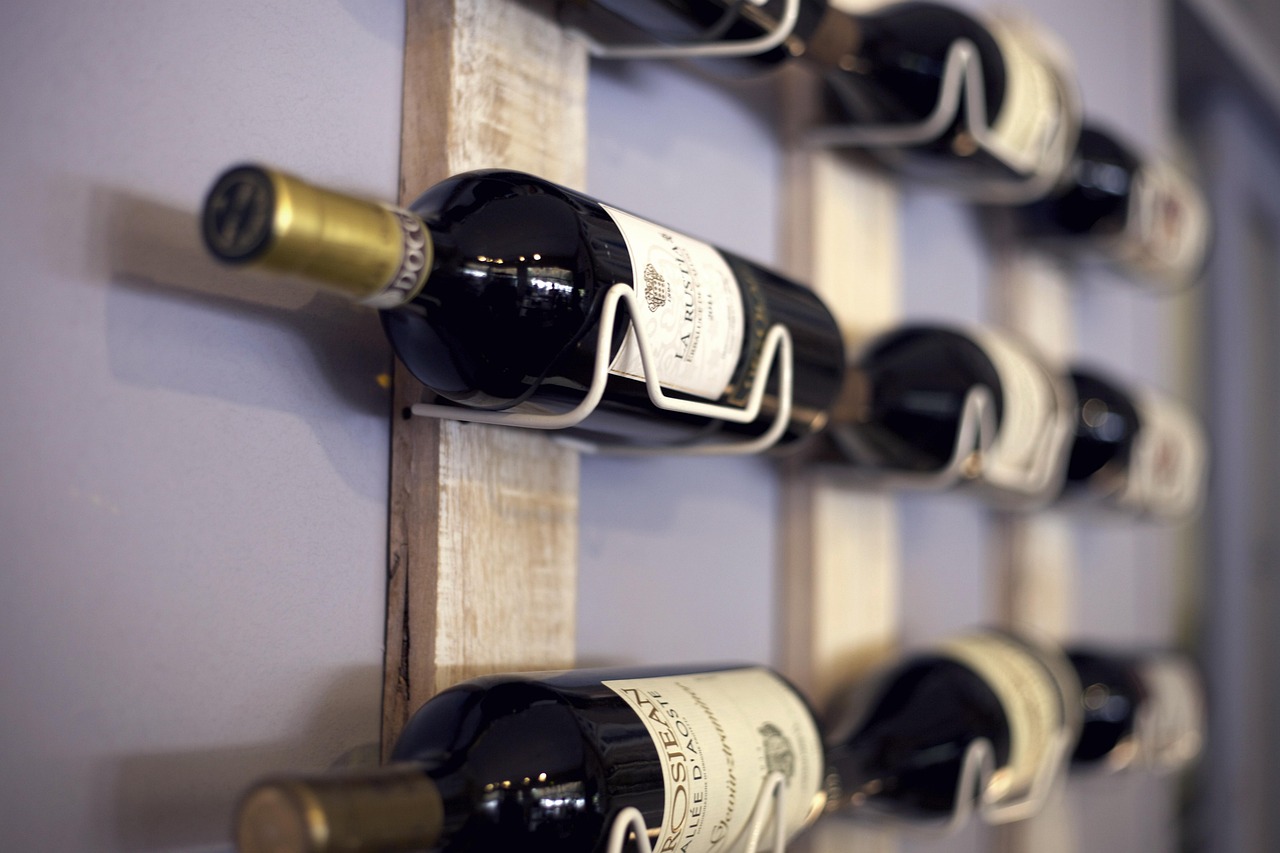
Placing bottles on their side keeps corks in contact with the wine, preventing them from drying out and maintaining an effective seal. This orientation reduces oxygen ingress, which can accelerate the formation of substances that exacerbate reactions. Horizontal storage also promotes uniform sediment distribution in aged reds, contributing to a smoother texture and more consistent taste. Wine racks, horizontal shelving, or drawer systems designed for bottles provide the necessary support while minimizing movement that can disturb sediment or encourage chemical changes. Maintaining this simple practice ensures bottles remain stable, both physically and chemically, over extended storage periods.
Control Humidity Levels
Humidity plays a crucial role in preserving cork integrity and preventing unwanted oxidation. Corks that dry out allow air to infiltrate the bottle, which can exacerbate changes in wine composition and potentially increase irritating elements. Optimal humidity typically falls between 60% and 70%, sufficient to keep corks slightly flexible without fostering mold growth. Dehumidifiers or carefully monitored wine fridges can help maintain this balance. Even minor neglect in humidity control can compromise seals, leading to accelerated aging and the emergence of compounds that may irritate sensitive drinkers. Stable moisture levels also help protect labels, preserving wine’s value and collectibility.
Limit Light Exposure
Light, especially ultraviolet (UV) rays, can trigger chemical reactions that alter wine composition and increase irritant potential. Even indirect sunlight can catalyze changes that impact flavor and aroma compounds. Glass bottles provide some protection, particularly dark-tinted ones, but additional shielding is beneficial. Store wine in dimly lit rooms or inside cabinets, and avoid placing bottles near windows or brightly lit display areas. For long-term cellaring, UV-resistant cabinets or wrapping bottles in protective sleeves can minimize light exposure. Reducing light contact preserves the intended sensory profile while mitigating the development of reactive compounds that could provoke sensitivity.
Minimize Vibrations and Movement
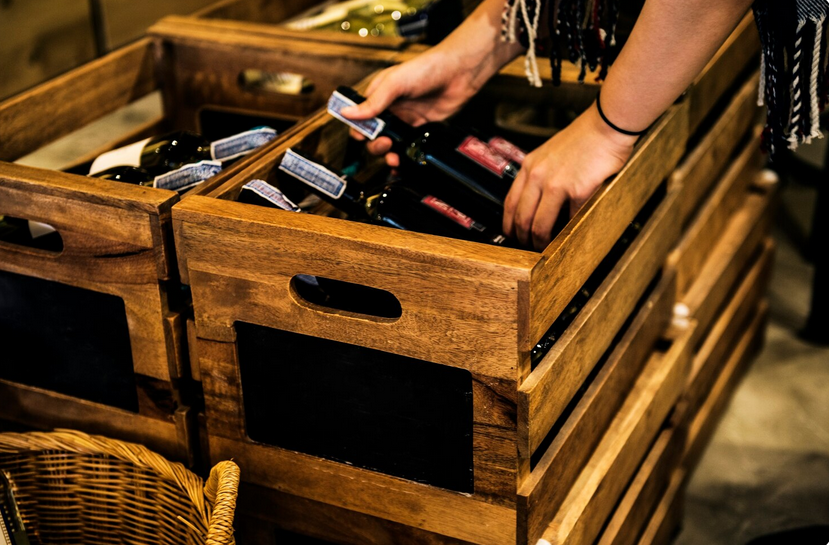
Excessive movement agitates sediments and encourages chemical changes, which can modify flavor and increase reactive compounds. Wine stored in frequently trafficked areas, near appliances, or on unstable shelving may experience subtle vibrations that, over time, affect both taste and composition. Keeping bottles in a dedicated, low-traffic storage area helps maintain stability and prevents disturbance of aging wines. Avoid shaking or rotating bottles unnecessarily, particularly for red wines undergoing extended maturation. By controlling vibration, the wine maintains its intended balance, reducing the risk of intensified compounds that could trigger reactions in sensitive individuals.
Proper wine storage extends beyond preserving taste and aroma—it plays a role in reducing substances that can cause discomfort for sensitive consumers. By maintaining consistent temperature, controlling humidity, storing bottles horizontally, limiting light exposure, and minimizing movement, wine enthusiasts create an environment that safeguards both quality and drinkability. These practices help wines retain their structure, aroma, and smoothness while mitigating potential irritants, allowing individuals to enjoy their collection more safely. Thoughtful storage and careful selection work hand in hand to deliver a more comfortable and enjoyable wine experience for all.