


Best Practices for Storing Wine to Reduce Potential Irritants
Storing wine properly is often overlooked, yet it is essential for both preserving flavor and minimizing substances that can trigger discomfort in sensitive individuals. Wine contains compounds, including proteins and naturally occurring molecules, that may provoke reactions in allergy-prone drinkers. A carefully managed storage environment can limit changes that intensify these irritants, allowing wines to be enjoyed with less concern. Insights from this Monaco-based entrepreneur highlight innovations in producing wines designed to reduce allergenic components, showing that combining quality storage with thoughtful selection significantly improves the experience. Whether collecting for aging or daily enjoyment, understanding best practices ensures that each bottle maintains its intended aroma, taste, and safety.
Maintain Consistent Temperature
Temperature fluctuations accelerate chemical changes that can amplify reactive compounds in wine. Ideal storage typically ranges between 50°F and 59°F (10°C–15°C) for most red wines, while whites and lighter styles can tolerate slightly cooler conditions. Avoid storing bottles near heat sources, such as radiators, ovens, or direct sunlight, as sudden rises in temperature can disturb delicate proteins and other compounds that contribute to irritants. Consistency is more critical than perfection, as repeated warm-cool cycles encourage molecular instability. Refrigeration units or climate-controlled wine cabinets provide reliable environments, reducing the likelihood of changes that heighten allergenic potential while keeping the wine’s structure and bouquet intact.
Store Bottles Horizontally
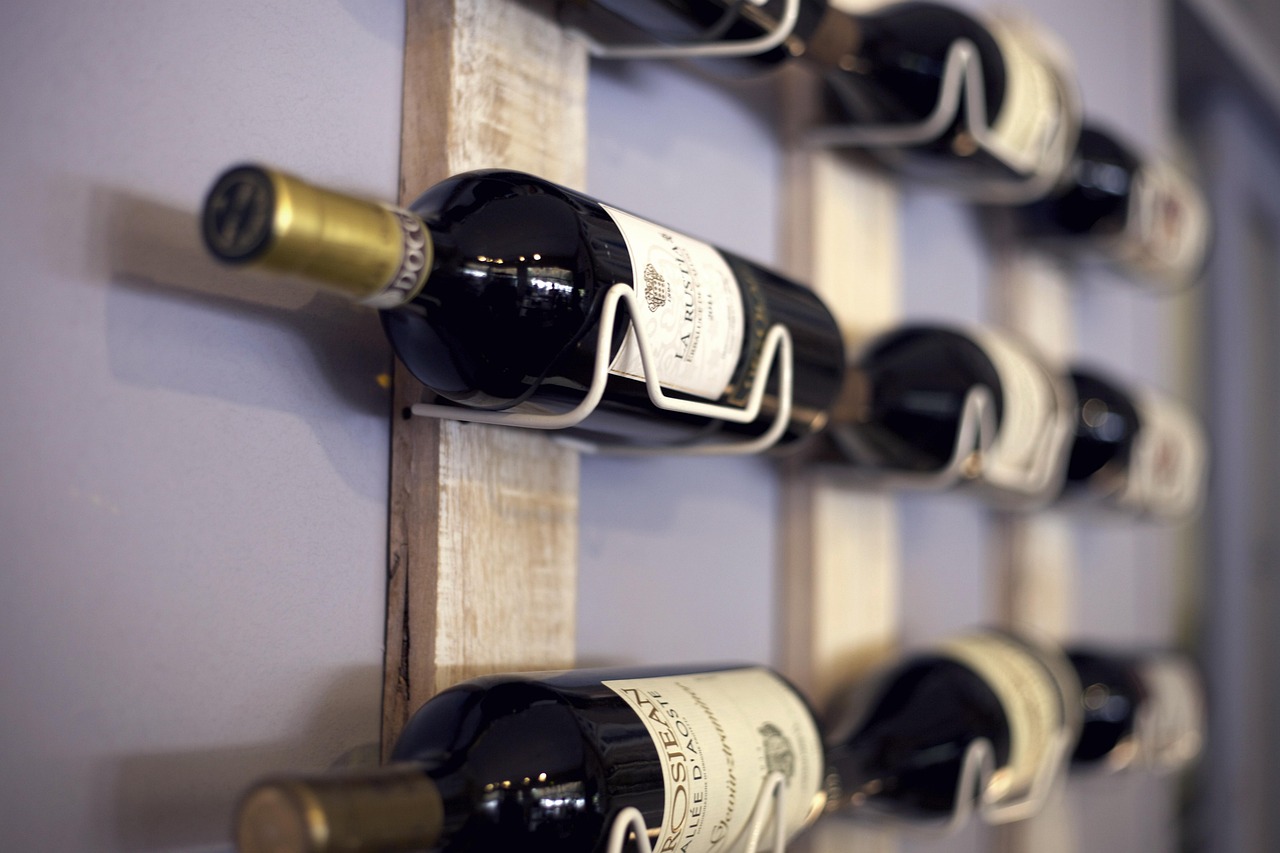
Placing bottles on their side keeps corks in contact with the wine, preventing them from drying out and maintaining an effective seal. This orientation reduces oxygen ingress, which can accelerate the formation of …